

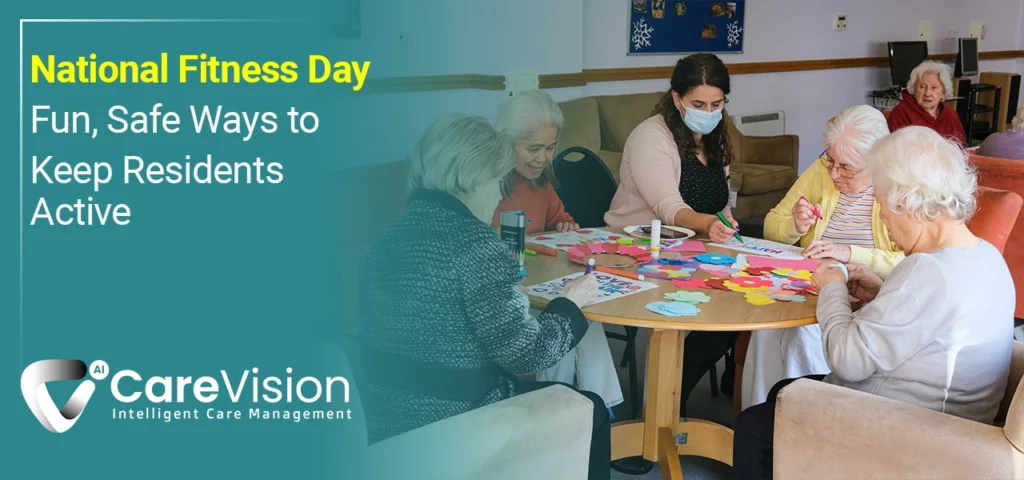
Held annually in September, National Fitness Day is a UK-wide celebration encouraging people of all ages and abilities to get moving. While the day is often associated with gyms, sports clubs, and outdoor activities, its message is just as relevant, if not more so, within care homes. For older adults, particularly those living with mobility challenges or chronic health conditions, staying physically active brings benefits that extend far beyond fitness alone. It plays a vital role in maintaining independence, improving mood, and enhancing overall quality of life.
Why Physical Activity Matters for Care Home Residents
Regular movement offers a wide range of benefits for older adults, many of which are particularly significant within a care home setting. These include:
- Improved mobility and balance, reducing the risk of falls, one of the most common and serious incidents in care homes.
- Better cardiovascular health, supporting heart function and circulation.
- Enhanced mental wellbeing, as physical activity has been shown to reduce feelings of anxiety and low mood.
- Increased social interaction, particularly when activities are conducted in groups, helping to combat loneliness and isolation.
- Better sleep quality, which can, in turn, improve overall daily functioning and mood.
Given these wide-ranging benefits, incorporating regular physical activity into daily care routines should be viewed not as an optional extra, but as a core component of holistic, person-centred care.
Making Fitness Accessible for Every Resident
One of the biggest challenges care providers face is ensuring physical activity is genuinely accessible, regardless of a resident’s mobility level, health condition, or physical ability. National Fitness Day provides an excellent opportunity to introduce or refresh activity programmes that are inclusive and adaptable.
1. Chair-Based Exercises
For residents with limited mobility, chair-based exercises offer a safe and effective way to stay active without the risk of falls. Simple movements such as seated leg lifts, arm stretches, and gentle twisting exercises can improve circulation and flexibility while remaining low-impact.
2. Gentle Walking Groups
For residents who are able to walk independently or with minimal assistance, organised walking groups, whether around the care home grounds or along a corridor route, can provide both physical benefit and a welcome change of scenery.
3. Chair Yoga and Stretching Sessions
Chair yoga has grown increasingly popular in care settings, offering gentle stretching and mindfulness benefits without requiring residents to get up from their seats. These sessions can help improve flexibility while also promoting relaxation.
4. Dance and Movement to Music
Many care homes have found great success incorporating music into physical activity sessions. Simple, rhythmic movements set to familiar music can be enjoyable, engaging, and surprisingly effective as a form of gentle exercise, particularly for residents living with dementia who may respond positively to music-based activities.
5. Gardening and Outdoor Activities
Where possible, encouraging residents to spend time outdoors, whether through light gardening tasks, tending to potted plants, or simply sitting in a garden area while doing gentle stretches, can combine physical activity with the additional benefits of fresh air and natural light.
6. Ball Games and Interactive Activities
Simple games involving soft balls, balloons, or bean bags can encourage movement, hand-eye coordination, and social interaction, all while remaining low-risk and enjoyable for residents of varying abilities.
Prioritising Safety Alongside Activity
While encouraging movement is important, safety must always remain the top priority. Care providers should consider the following when planning physical activities:
- Individual risk assessments should be reviewed before introducing any new activity, ensuring it is appropriate for each resident’s specific health conditions and mobility level.
- Adequate supervision should be provided at all times, particularly for residents at higher risk of falls.
- Hydration and rest breaks should be built into activity sessions, especially for longer or more physically demanding exercises.
- Clear communication with residents throughout activities helps ensure they feel comfortable and are not pushed beyond their capabilities.
The Role of Care Planning in Supporting Physical Activity
Ensuring physical activity is both safe and effective requires more than good intentions; it requires accurate, up-to-date information about each resident’s abilities and restrictions. This is where a well-maintained care plan becomes essential. By documenting mobility levels, health conditions, and any relevant precautions, care staff can tailor activities appropriately for each individual.
Modern digital care planning software allows this information to be easily accessible and regularly updated, ensuring that as a resident’s mobility or health changes, their activity plan can be adjusted accordingly. This not only supports safer participation in physical activities but also helps track progress over time, allowing care teams to identify improvements or emerging concerns.
Building Fitness Into Everyday Care
Beyond dedicated activity sessions, there are numerous small ways to incorporate movement into daily routines. Encouraging residents to stand briefly during transfers, take a few extra steps to the dining area, or participate in light household tasks can all contribute to overall physical activity levels without requiring formal exercise sessions.
Celebrating National Fitness Day in Your Care Home
National Fitness Day offers a wonderful opportunity to introduce something new, whether that’s a themed activity day, a friendly team challenge, or simply extra encouragement for residents to take part in existing exercise programmes. Involving families, celebrating participation rather than performance, and creating a fun, supportive atmosphere can help make physical activity something residents genuinely look forward to, rather than something they feel obligated to do.
Final Thoughts
Physical activity is a cornerstone of healthy ageing, offering benefits that touch nearly every aspect of a resident’s wellbeing, from physical health to mental and social wellness. National Fitness Day serves as a valuable reminder for care homes to review, refresh, and celebrate the ways they keep residents moving safely and enjoyably. With thoughtful planning, appropriate safety measures, and support from accurate care documentation, care homes can ensure that fitness remains a fun, accessible, and meaningful part of everyday life for every resident.